If you want a city that feels connected to Oklahoma City without losing its own identity, Yukon deserves a closer look. For many buyers, the challenge is finding a place that offers daily convenience, familiar neighborhood living, and enough local character to make weekends feel fun instead of routine. Yukon stands out because it blends metro access, established residential areas, parks, and community traditions in a way that feels approachable and practical. Let’s dive in.
Yukon has its own identity
Yukon is part of the Oklahoma City metro, but it is not just another pass-through suburb. The city reports a current population of 25,556, and the 2020 Census counted 23,630, which reflects a community that continues to grow while keeping a recognizable local identity.
A big part of that identity comes from Route 66, the historic flour mill, and the city’s Czech heritage. You see that influence in local traditions, community messaging, and the well-known kolaches found at local Czech bakeries.
Downtown also plays an important role in how Yukon feels. The Main Street organization focuses on preserving downtown heritage, supporting local business, and positioning the district as a destination, which gives the city a center of gravity beyond just residential growth.
Everyday life in Yukon
For many people, what a city feels like day to day matters more than a map or a population count. In Yukon, everyday life tends to revolve around community events, outdoor spaces, and easy access to local dining and shopping.
The city is especially known for its festivals. Current city event pages highlight Freedom Fest, Christmas in the Park, Rock the Route, the Oklahoma Czech Festival, Chisholm Trail Festival, Festival of the Child, and Pumpkin Harvest Craft Festival.
That kind of event calendar can make a real difference in how connected you feel to where you live. Instead of needing to drive somewhere else for seasonal activities, you have recurring local events that help shape the rhythm of the year.
Main Street and local traditions
If you enjoy having a local spot to explore, Yukon’s Main Street corridor is one of the city’s strongest lifestyle features. The Chamber points visitors toward Main Street for shopping, events, and dining, giving residents a practical go-to area for casual outings.
Yukon’s heritage also shows up in places like Czech Hall, which is known for weekly dances, traditional food, and live music. That adds a layer of local culture that gives Yukon a personality many suburban communities work hard to create.
Parks and recreation options
Outdoor and recreation access is another major part of living in Yukon. The city says its parks department maintains more than 218 acres across 11 parks, which gives residents a broad mix of places to walk, play, and spend time outside.
City Park includes a pond, walking trails, pickleball and tennis courts, a sand volleyball court, and a walking track. Welch Park adds a disc golf course, fishing pond, playground, and walking trails, which gives you multiple options depending on how you like to spend your free time.
Yukon also offers the Jackie Cooper Gymnasium, Yukon Community Center, and City Splash Pool. The city notes that residents in ZIP code 73099 and Yukon Public Schools students can receive free recreation memberships, which may be a meaningful perk for households looking to stay active close to home.
Commuting from Yukon
If you work in or around Oklahoma City, commute time is often a major factor in where you choose to live. Yukon’s transportation story is closely tied to highway access, especially for people who want suburban living with a manageable drive into the city.
According to the city’s comprehensive plan, Interstate 40 runs through the southwest corner of Yukon and provides direct access to downtown Oklahoma City in about 18 miles or 20 minutes. The same plan notes that Route 66, also known as Main Street, connects to I-44 in central Oklahoma City.
That does not mean Yukon functions like a walk-to-work community. Planning documents note that many residents leave daily for employment, which supports the idea that Yukon is a car-oriented commuter suburb within the broader metro.
What that means for daily life
For you as a buyer, this can be a strong advantage if you want more space or a different pace without feeling too far from work, entertainment, or services in Oklahoma City. Yukon lets many residents plug into the metro while still returning home to a community with its own events, parks, and traditions.
At the same time, proximity to Oklahoma City can bring traffic and development pressure, according to planning documents. That is worth keeping in mind if easy highway access is one of your top priorities.
What kinds of homes are common in Yukon?
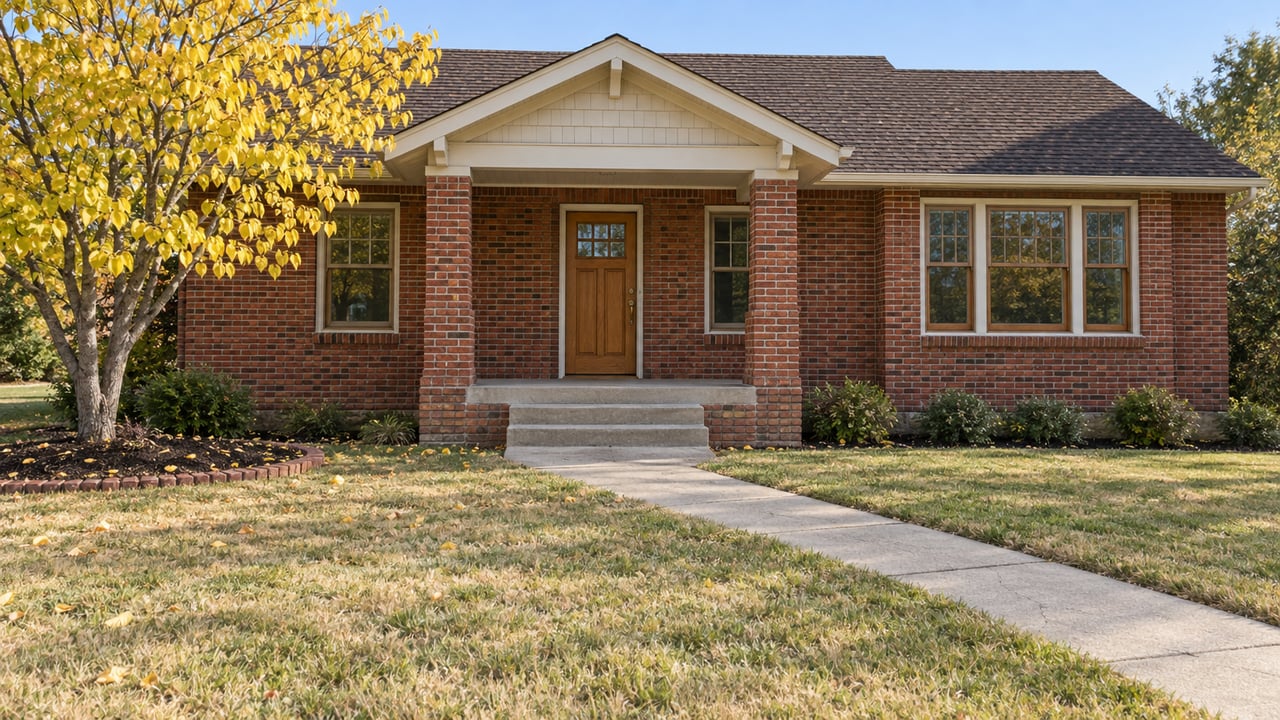
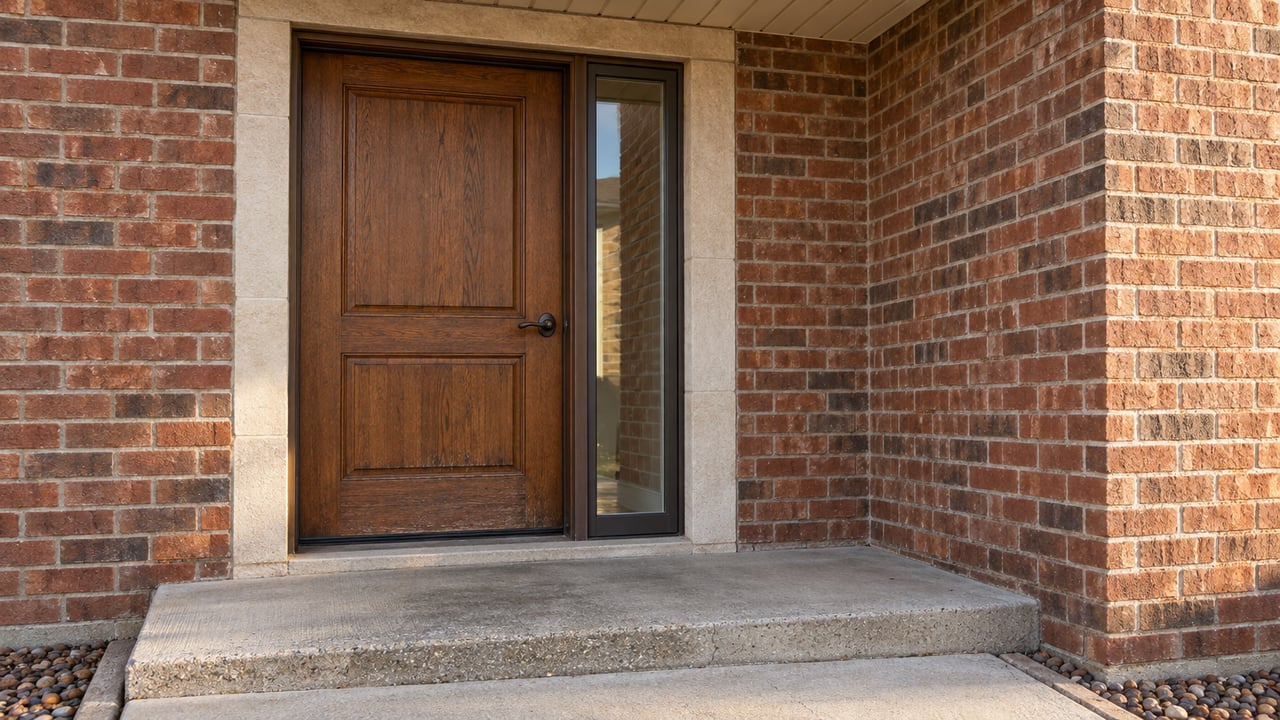
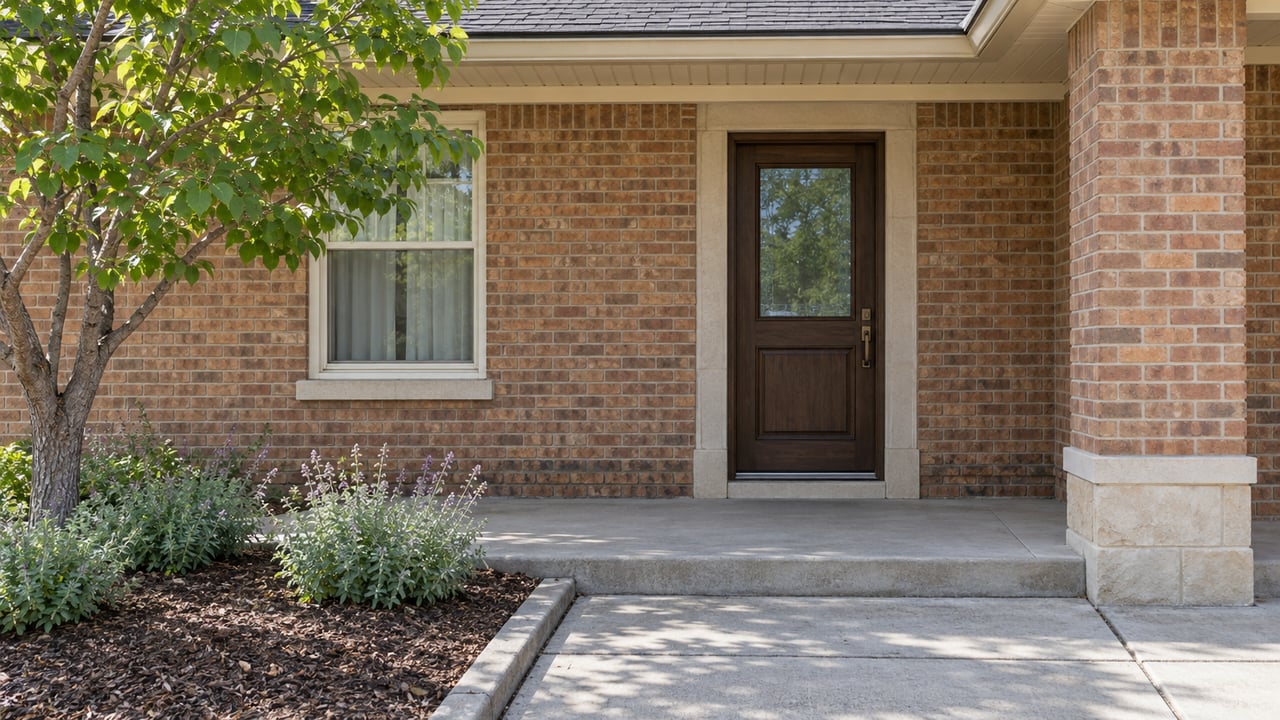
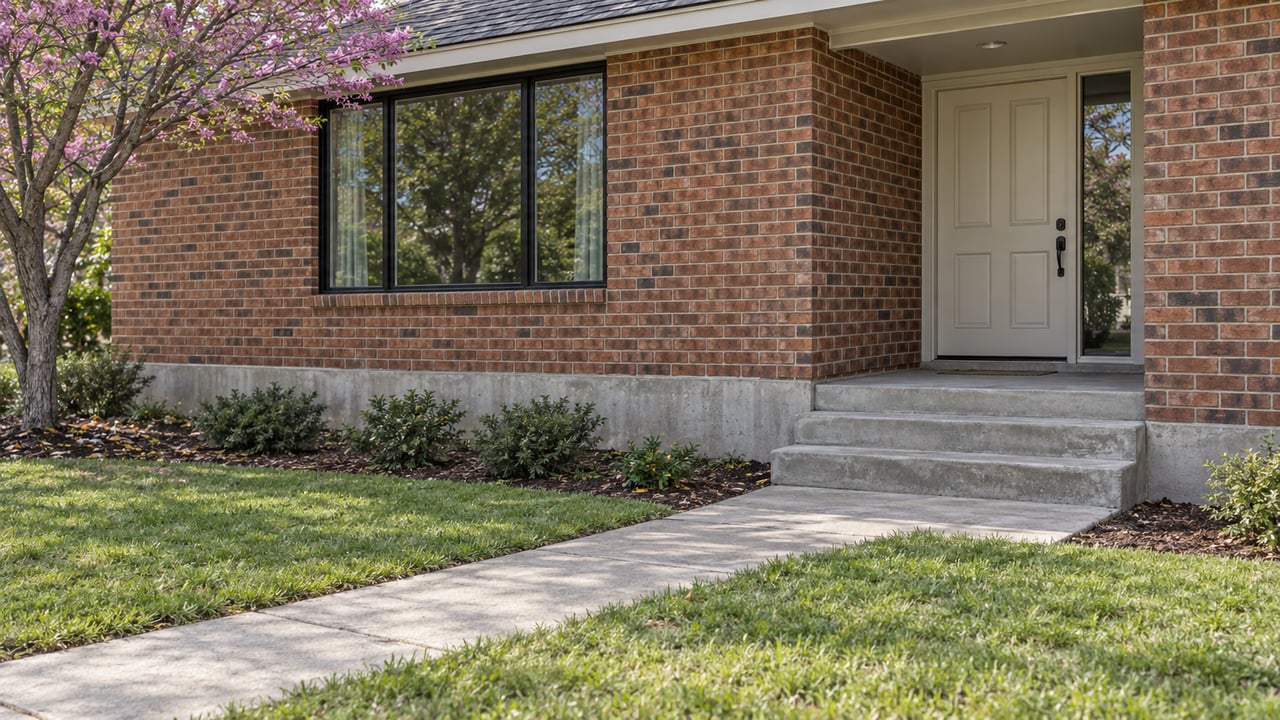
Yukon’s housing stock is mostly suburban in character. The city’s 2040 Comprehensive Plan says 87.9% of occupied housing units are detached single-family homes, which aligns with what many buyers picture when they think about a classic Oklahoma suburban market.
The same plan says 64.3% of the housing stock was built between 1960 and 1989. In practical terms, that means you will likely find a meaningful number of established homes rather than a market made up only of brand-new construction.
That mix can appeal to buyers who want traditional neighborhood layouts, mature streetscapes, or detached homes with a little more history and variety. It also means that home condition, updates, and presentation can vary from property to property, which is where having clear guidance matters.
Why buyers are drawn to Yukon
One of the most helpful insights comes directly from the city’s resident survey. According to the comprehensive plan, the biggest reasons people said they chose Yukon were family and friends, quality of schools, a good place to raise children, low crime, community character, close proximity to employment, cost of living, highway access, and best overall value.
That list matters because it reflects how residents themselves describe the appeal of the city. Rather than focusing on one single feature, Yukon seems to attract people who want a balanced lifestyle with practical benefits and a sense of community.
The city’s quality-of-life messaging also emphasizes open space, affordability, and a family-friendly atmosphere. Combined with the parks system, festivals, and commuter access, that creates a picture of a city that works well for many stages of life.
A practical choice for many households
If you are buying your first home, Yukon may appeal to you because it offers a large share of detached homes and straightforward access to the metro. If you are relocating within the Oklahoma City area, Yukon may stand out because it combines an established community feel with everyday convenience.
For buyers looking at long-term fit, the city’s current water-supply plan is built around projected population growth over the next 25 years. That signals that Yukon expects continued residential demand and ongoing community growth.
What weekends in Yukon can feel like
When people picture life in Yukon, weekends are often where the city really comes into focus. A typical Saturday might include time at a park, a stop along Main Street, a local event, or a visit tied to one of the city’s seasonal festivals.
If you like communities that create recurring reasons to get out of the house, Yukon has a strong case. Between event programming, recreation facilities, and heritage-focused gathering places, there is a steady mix of things to do without needing an elaborate plan.
That can be especially valuable when you are choosing not just a house, but a routine. The right city often comes down to whether daily life feels easy and whether weekends feel full without feeling hectic.
Is Yukon the right fit for you?
Yukon may be a strong fit if you want a suburban housing market with mostly detached homes, convenient highway access, and a city identity that feels more distinct than generic. It also stands out for buyers who value parks, community events, and a local downtown area that still plays a meaningful role in everyday life.
Like any move, the right choice depends on your priorities. Your commute, your budget, the type of home you want, and the pace of life you prefer all matter, and comparing those factors carefully can help you decide whether Yukon matches the life you want to build.
If you are thinking about buying or selling in Yukon, having a strategy matters. From understanding which parts of the market best fit your goals to preparing a home so it shows at its strongest, the right guidance can make your next move feel much more clear and confident. When you are ready for a thoughtful, data-backed plan, connect with Gina Underwood.
FAQs
What is everyday life like in Yukon, Oklahoma?
- Everyday life in Yukon often includes community festivals, park visits, recreation activities, and time around the Main Street area for shopping and dining.
What is the commute from Yukon to downtown Oklahoma City?
- According to the city’s comprehensive plan, downtown Oklahoma City is about 18 miles or roughly 20 minutes away via Interstate 40.
What types of homes are most common in Yukon, Oklahoma?
- Yukon’s housing stock is primarily detached single-family homes, and much of it was built between 1960 and 1989.
Why do people choose to live in Yukon, Oklahoma?
- The city’s resident survey says common reasons include family and friends, schools, community character, cost of living, highway access, proximity to employment, and overall value.
Does Yukon, Oklahoma have parks and recreation options?
- Yes. The city says it maintains more than 218 acres across 11 parks and also offers recreation facilities like the Yukon Community Center, Jackie Cooper Gymnasium, and City Splash Pool.