Big-city energy does not have to mean giving up space, convenience, or a manageable routine. If you are thinking about life in Oklahoma City, you may be wondering whether you have to choose between walkable entertainment and a quieter home base. The good news is that Oklahoma City makes room for both, and that balance is a big reason so many people are drawn to the metro. In this guide, you will get a clear look at how OKC blends urban districts, suburban ease, outdoor access, and practical commuting. Let’s dive in.
Why Oklahoma City Feels Different
Oklahoma City is a large and growing metro, with the Census Bureau estimating the city at 719,849 residents in 2025. Even with that scale, it often feels more approachable than many major cities. The city’s mean travel time to work is 22.2 minutes, which supports a lifestyle that feels active without making everyday movement overly difficult.
Housing also remains relatively accessible by national standards. From 2020 to 2024, the owner-occupied rate was 58.6%, the median home value was $231,300, and the median gross rent was $1,130. For many buyers and renters, that combination helps make Oklahoma City feel like a place where you can enjoy city amenities while still keeping an eye on long-term affordability.
Another reason OKC stands out is its layout. Instead of revolving around one single downtown core, the city functions through a collection of recognizable districts surrounded by a broad suburban ring. That structure gives you more ways to match your lifestyle to the area that fits you best.
Urban Living in Oklahoma City
If you want dining, entertainment, and arts close to home, Oklahoma City offers several districts with their own rhythm and personality. Each one contributes to the city’s urban feel, but none of them define the whole experience on their own. That makes the city feel layered rather than one-note.
Bricktown Brings Downtown Energy
Bricktown is one of the best-known parts of the city’s core. It is centered around the canal and features nightlife, music venues, the ballpark, and a concentrated restaurant scene. If you picture downtown Oklahoma City with activity, lights, and easy entertainment options, Bricktown is often part of that picture.
For someone who enjoys being near events and evening outings, this district adds a lot of excitement. It gives the city a true downtown destination without making the entire metro feel dense or compressed.
Midtown Adds Dining and Historic Character
Midtown connects downtown with areas such as Heritage Hills, Mesta Park, and Automobile Alley. It is known for pubs, bakeries, cocktail bars, Art Deco architecture, and The Collective food hall. That mix creates an environment where you can enjoy a more urban pace while still feeling connected to nearby residential areas.
This part of the city often appeals to people who want convenience with a little architectural charm. It can feel lively without feeling overwhelming.
Automobile Alley, Plaza, and Paseo Support the Arts
Automobile Alley combines preserved historic buildings with shopping, dining, nightlife, Factory Obscura, and Oklahoma Contemporary. The Plaza District is home to galleries, studios, performance venues, and creative restaurants. The Paseo Arts District continues to anchor much of the city’s art identity, with about 80 working artists, 20 studios, and its First Friday art walk tradition.
Together, these districts help explain why Oklahoma City feels culturally active in everyday life. The arts are not limited to one venue or one event calendar. They are built into multiple parts of the city experience.
Public Art Is Part of Daily Life
Oklahoma City’s arts scene is supported at the city level as well. The City of Oklahoma City’s Office of Arts & Cultural Affairs manages the public art program, and the Arts Commission advises the City Council on artistic, cultural, and aesthetic matters. In practical terms, that means art is part of the city’s public environment, not just something you seek out on special occasions.
For residents, this adds visual interest and a stronger sense of place. It is one of the reasons city living in OKC can feel both polished and approachable.
Suburban Ease Around the Metro
One of the biggest lifestyle advantages in the Oklahoma City area is that urban amenities and suburban living are not far apart. The surrounding communities give you options if you want more space, a different pace, or a distinct local feel. Importantly, nearby suburbs are not all the same.
Edmond Offers a Strong Ownership Profile
Edmond has an owner-occupied rate of 70.3%, compared with Oklahoma City’s 58.6%. It also offers downtown shopping and dining, scenic parks, more than 250 restaurants, and two food halls. For buyers who want access to amenities with a more suburban ownership pattern, Edmond often stands out.
That combination can be especially appealing if you want a residential setting while staying connected to the broader metro. It offers a different feel than the urban core without losing convenience.
Yukon Emphasizes Parks and Open Space
Yukon has an owner-occupied rate of 68.9% and emphasizes open space, comfortable living, community programming, and parks. The city parks department maintains more than 218 acres across 11 parks. For people who want room to spread out and enjoy outdoor amenities, Yukon offers a clear contrast to the downtown districts.
This does not mean giving up access to Oklahoma City. It means you can prioritize a different day-to-day setting while still benefiting from the metro as a whole.
Norman Has a Distinct Identity
Norman has a more mixed housing profile, with an owner-occupied rate of 53.3%. It pairs a college-town identity with arts and outdoor recreation, including the Firehouse Art Center, the Fred Jones Jr. Museum of Art, Sutton Urban Wilderness Park, and Lake Thunderbird State Park. That creates a lifestyle option that feels different from both central OKC and more traditional suburban patterns.
If you want a place with its own established identity, Norman offers that. It is part of the metro, but it brings a character all its own.
Getting Around Is More Practical Than You May Expect
A major concern for many buyers and relocating households is whether living outside the city center automatically means a harder commute. In the Oklahoma City metro, the numbers suggest a more balanced picture. City-level average commute times are fairly close across several communities.
Oklahoma City’s mean travel time to work is 22.2 minutes. Edmond’s is 23.3 minutes, Yukon’s is 22.8 minutes, and Norman’s is 22.6 minutes. These are city averages rather than neighborhood-specific times, but they still show that suburban living does not automatically mean dramatically longer commutes.
Transportation in the metro is also more varied than some people expect. EMBARK operates a 22-route bus system, commuter express service between Oklahoma City and Norman, Bus Rapid Transit on RAPID NW, downtown streetcar service, paratransit, and seasonal Oklahoma River ferry service. The downtown Transit Center connects the streetcar, RAPID NW, and fixed bus routes.
For everyday life, this means you can think about mobility in layers. The urban core offers more transit options, while the broader metro still functions as a spacious, road-connected region.
Parks and Trails Strengthen Daily Life
Oklahoma City is not only about districts and dining. Green space plays a major role in how people experience the city. According to the city, 56% of residents live within a half-mile of a park or trail, and the parks system includes nearly 100 miles of multi-use trails.
That access matters because it makes outdoor time easier to fold into regular routines. Whether you enjoy walking, biking, or simply having nearby open space, the city’s trail and park network adds real day-to-day value.
Scissortail Park Expands Downtown Options
Scissortail Park is one of the strongest examples of how Oklahoma City blends urban and outdoor living. The park spans 70 acres across Upper and Lower Park and is connected by Skydance Bridge. It gives downtown residents and visitors a major public space that feels usable, visible, and central to city life.
For many people, this is what the OKC balance looks like in practice. You can enjoy a downtown setting and still have meaningful access to open space.
Housing Styles Add More Choice
Your lifestyle is not just about location. It is also about the kind of home and setting that feels right for you. In central Oklahoma City, the city identifies historic districts such as Mesta Park, Heritage Hills, Heritage Hills East, Paseo, Crown Heights, Edgemere Park, Jefferson Park, Putnam Heights, and Shepherd.
The city’s preservation program exists to protect areas of historical, cultural, architectural, engineering, or archaeological significance. Its guidelines note that historic properties generally reflect styles and fashions common in the first half of the 20th century. If you are drawn to established architecture and a sense of history, these areas add another layer to the OKC housing picture.
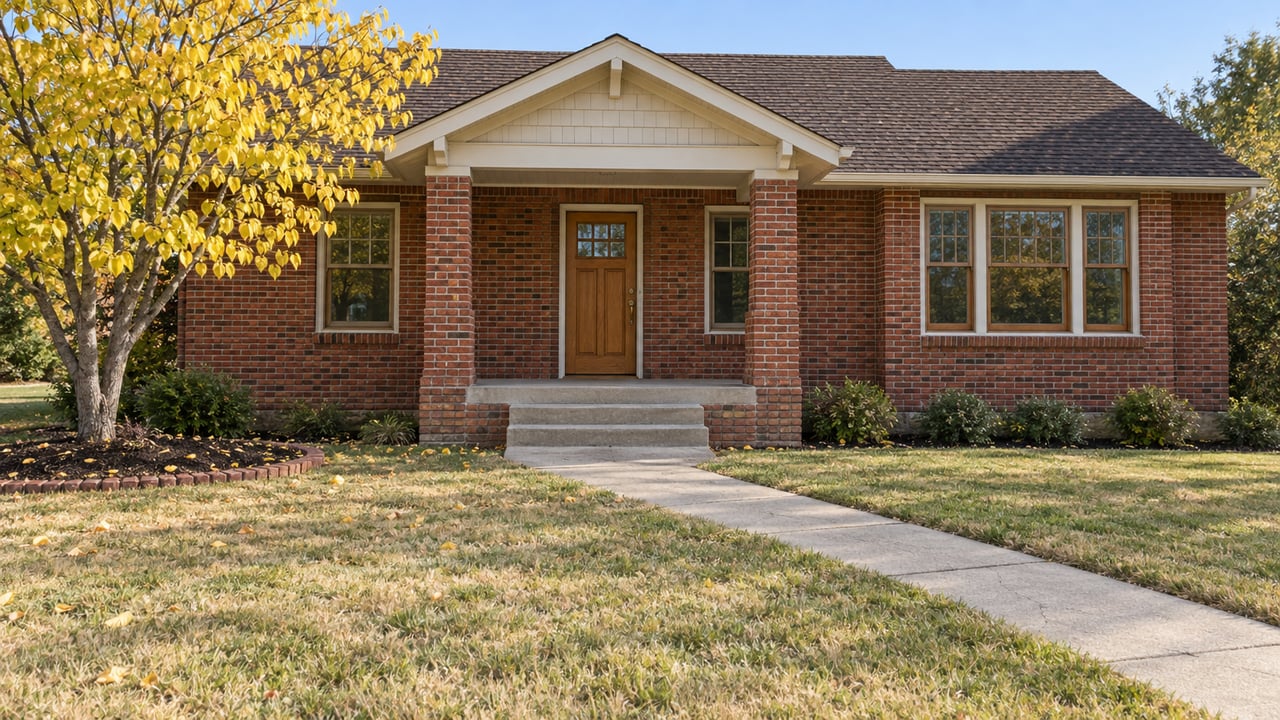
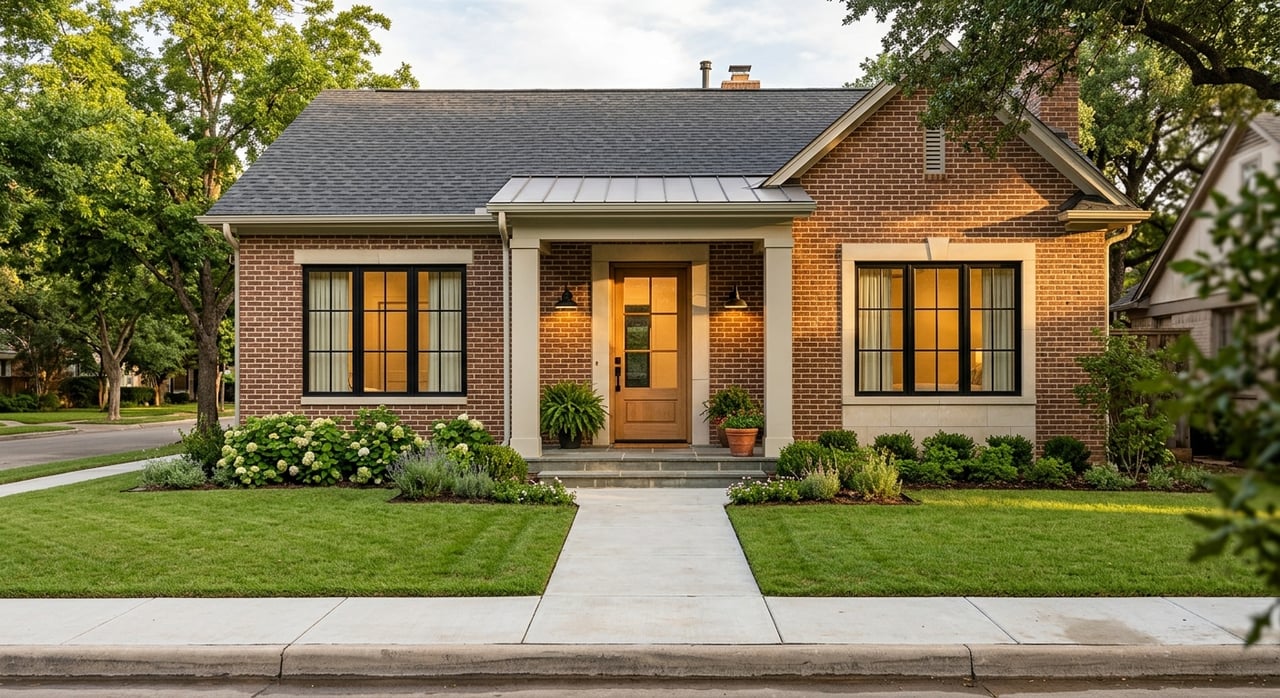
At the same time, the broader metro offers the suburban homes many buyers want when they prioritize space, ownership, and a quieter residential setting. That range is part of what makes Oklahoma City appealing. You are not locked into one version of city living.
How to Choose Your Best Fit
If you are deciding where to live in the Oklahoma City metro, it helps to start with your routine rather than a map. Think about what matters most in your daily life, including commute patterns, nearby amenities, outdoor access, and the kind of home environment that helps you feel settled.
Here are a few helpful questions to ask yourself:
- Do you want restaurants, arts, and entertainment close by?
- Do you prefer a quieter residential setting with more space?
- How important are trails, parks, and outdoor recreation?
- Would you enjoy a historic home environment or a more suburban layout?
- Do you want a district feel, a classic suburban pattern, or a city-within-the-metro identity like Norman?
When you answer those questions clearly, your search becomes more strategic. That is often the fastest way to narrow your options without feeling overwhelmed.
Oklahoma City gives you room to shape your lifestyle instead of forcing you into one template. You can enjoy urban energy in districts like Bricktown, Midtown, Plaza, Paseo, and Automobile Alley, or lean into suburban ease in places like Edmond and Yukon. If you want help sorting through which part of the metro fits your goals, reach out to Gina Underwood for clear, data-backed guidance tailored to your move.
FAQs
What makes Oklahoma City feel different from other large metros?
- Oklahoma City feels different because it combines a large and growing population with relatively accessible housing, a 22.2-minute mean commute, and a layout built around multiple districts plus a broad suburban ring.
What are the main urban districts in Oklahoma City?
- Key urban districts in Oklahoma City include Bricktown, Midtown, Automobile Alley, the Plaza District, and the Paseo Arts District, each offering its own mix of dining, arts, entertainment, and public spaces.
Is suburban living in the Oklahoma City metro practical for commuters?
- Yes, city-level average commute times are fairly similar across Oklahoma City, Edmond, Yukon, and Norman, which suggests suburban living can still be practical for many commuters.
What public transportation options are available in Oklahoma City?
- EMBARK provides a 22-route bus system, commuter express service between Oklahoma City and Norman, RAPID NW Bus Rapid Transit, downtown streetcar service, paratransit, and seasonal Oklahoma River ferry service.
How much park and trail access does Oklahoma City offer?
- The city says 56% of residents live within a half-mile of a park or trail, and the parks system includes nearly 100 miles of multi-use trails, with Scissortail Park serving as a major downtown green space.
What nearby suburbs offer a different lifestyle from central Oklahoma City?
- Edmond offers a strong ownership profile and a wide dining scene, Yukon emphasizes parks and open space, and Norman provides a distinct college-town identity with arts and outdoor recreation.