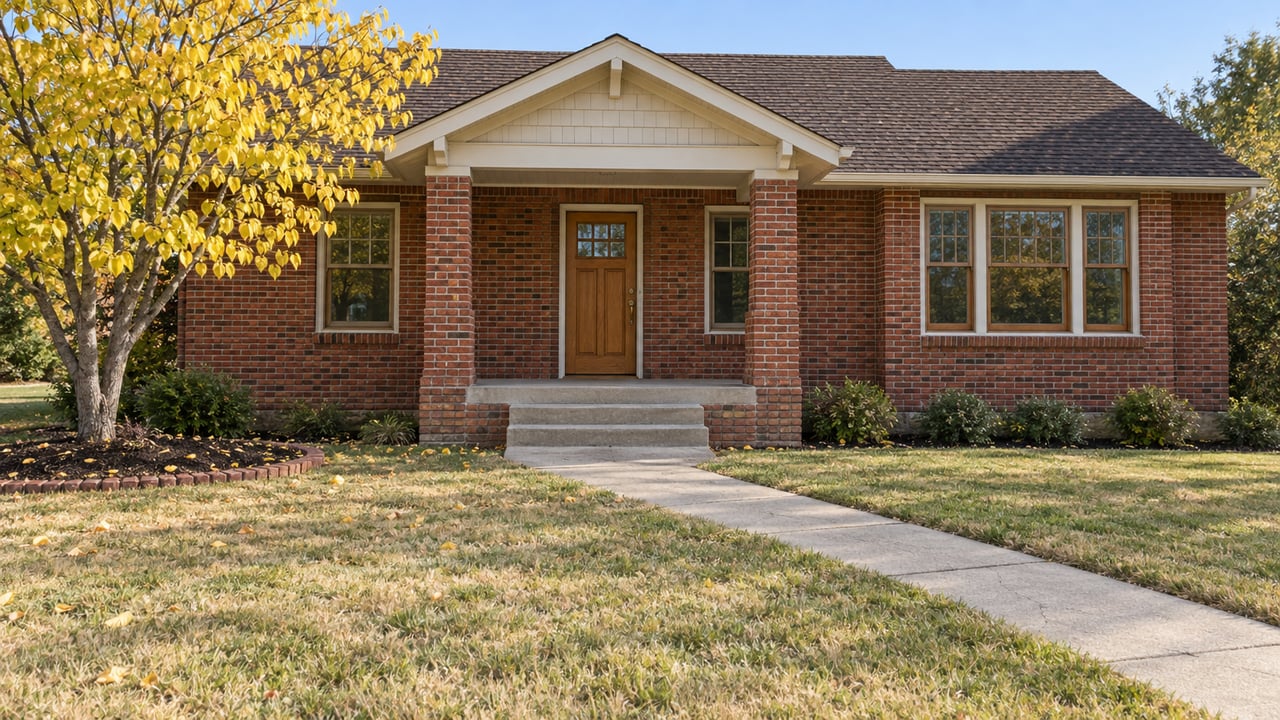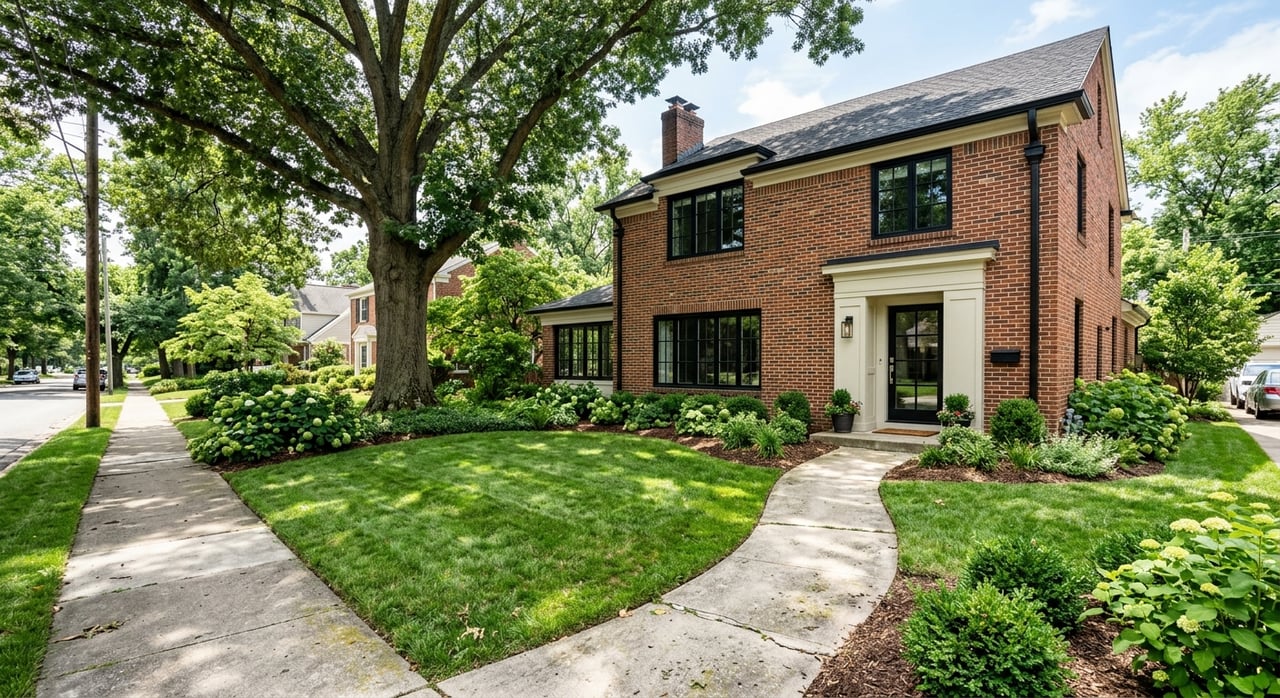
If you’re trying to decide between a newer neighborhood and an established one in Yukon, you’re not just choosing a home. You’re choosing how you want your day-to-day life to work, from your commute to your maintenance list to the rules that shape the neighborhood around you. The good news is that Yukon gives you both options, and each can be a smart fit depending on what matters most to you. Let’s break down what to look for before you decide.
Yukon’s housing mix matters
In Yukon, established neighborhoods make up most of the housing landscape. According to the city’s comprehensive plan, the biggest wave of homebuilding happened from 1960 to 1989, and 85% of that boom-era construction took place in the 1970s. Only 3.0% of housing units were built in 2014 or later.
That means when you compare newer versus established neighborhoods in Yukon, you’re usually comparing a small group of newer planned developments with a much larger supply of older neighborhoods. For you as a buyer, that makes the search less about “new versus old” in a general sense and more about which type of neighborhood best fits your budget, preferences, and routine.
Newer Yukon neighborhoods at a glance
Newer growth in Yukon is showing up in active development corridors. City project listings point to activity near I-40 and Frisco Road, Yukon Parkway, Health Center Parkway, and Vandament. The city also notes four major I-40 access ramps and an average commute time of 22.5 minutes.
That matters because a newer neighborhood may look great on paper, but the real question is how it works with your daily drive. If you commute regularly or make frequent trips across town, the corridor you choose can shape how convenient the home feels over time.
What newer neighborhoods often offer
In Yukon, newer planned developments often come with more predictable layout and design standards. City-approved plans for developments like Frisco Ridge and Yukon Crossing show features such as minimum lot sizes, minimum lot widths, required garage standards, and exterior material rules that lean heavily toward brick and stone.
For many buyers, that predictability is a plus. You may like knowing the neighborhood will have a more consistent look from house to house, with standards already built into the development plan.
Shared amenities and HOA responsibilities
Newer developments may also include shared amenities and common spaces. In Yukon Crossing, the approved plan includes a pool, clubhouse, and playground equipment. In both Yukon Crossing and Frisco Ridge, the property owners association is responsible for certain common-area duties such as landscaping, drainage features, detention ponds, and other shared elements.
That setup can be appealing if you want neighborhood amenities or a more managed appearance. At the same time, it usually means dues and ongoing association obligations are part of the ownership picture.
City standards and development rules
Yukon’s Development Services department says the city updated its zoning map and development code in 2023 and now operates under a new unified development code. Preliminary plats, final plats, rezonings, and planned unit development applications are still part of the review process.
In practical terms, this helps explain why newer neighborhoods can feel more rule-defined. A lot of the neighborhood framework is set before homes are built, through plats, design statements, and recorded covenants.
Established Yukon neighborhoods at a glance
Established neighborhoods reflect the city’s earlier growth pattern. Because so much of Yukon’s housing was built between the 1960s and 1980s, older areas often show more variation in home style, lot layout, setbacks, and exterior updates.
If you like a neighborhood that feels less uniform, an established area may appeal to you. You may see homes with different architectural details, additions over time, and street patterns that do not follow the same one-phase planned format as a newer development.
Older street patterns and historic corridors
Yukon’s history page shows how long Main Street has served as a core civic corridor. The city identifies Main Street and Route 66 as a historic corridor and a major east-west route. For buyers, that often translates to a more traditional street pattern and an older neighborhood feel in nearby established areas.
That does not automatically make an established neighborhood better or worse. It simply means the experience can feel different from a newer planned development with standardized lots and more defined design rules.
Condition matters more in older homes
One of the biggest tradeoffs in an established neighborhood is home condition. Older homes have had more time for major systems and features to age, including roofs, HVAC equipment, windows, plumbing, driveways, grading, and drainage improvements.
That is why inspection reports and replacement history matter so much. In an older area, two homes on the same street can offer very different ownership experiences depending on how each property has been maintained and updated.
Key tradeoffs buyers should compare
There is no one-size-fits-all answer in Yukon. The right choice depends on what you value most in a home and neighborhood.
Predictability versus character
Newer neighborhoods usually offer a more consistent look and more clearly defined standards. Established neighborhoods often offer more variation from lot to lot and house to house.
If you want a neighborhood where the design language feels more coordinated, a newer development may fit better. If you prefer variety and a less uniform streetscape, an established area may feel more comfortable.
Lower near-term replacement risk versus fewer rules
A newer home may reduce the chance of immediate big-ticket replacement costs. At the same time, that newer neighborhood may come with HOA or POA dues and more recorded restrictions.
An established neighborhood may have fewer association rules, especially in older non-HOA subdivisions. But you may need to budget more carefully for repairs, updates, or system replacements depending on the age and condition of the home.
Amenities versus flexibility
Some newer Yukon developments include amenities such as pools, clubhouses, playgrounds, sidewalks, gated entry features, or landscaped entrances. Those features can add convenience and visual appeal.
In return, you may have less flexibility around exterior materials, parking, additions, fencing, or other changes. Established neighborhoods can offer more variation, but it is still important to confirm whether restrictions exist before you buy.
Utilities and services to verify
Utility setup is one of the most practical parts of this decision. Yukon’s January 2026 utility rate sheet shows that residential water and sewer base charges are lower inside city limits than outside city limits. The same rate sheet also notes that some residents in rural areas inside Yukon’s corporate limits may not have Yukon water utilities and may instead participate in weekly rural garbage service.
Before you make an offer, verify the exact utility provider, service type, and sanitation setup for the property. Do not assume two homes with the same Yukon address will have the same utility arrangement.
Ask about infrastructure too
Yukon’s Water Supply Plan is designed around projected population growth over the next 25 years and aims to support reliable supply and redundancy for current and future residents. That does not mean one neighborhood is automatically stronger than another, but it does make infrastructure a smart due diligence topic.
If you are considering a newer development, ask how utilities, drainage, and public improvements were planned. If you are buying in an established area, ask what updates or system changes may have already happened over time.
Questions to ask before you choose
As you compare neighborhoods in Yukon, keep your questions simple and practical:
- Is this neighborhood a PUD, HOA, POA, or neither?
- What do the dues cover?
- Who maintains common areas, drainage, detention ponds, sidewalks, or landscaping?
- Can you review the recorded covenants and restrictions before or at closing?
- What are the lot standards, setback rules, and exterior requirements?
- Are there restrictions on fences, sheds, parking, or exterior changes?
- Which commute route matters most for your routine: I-40, Yukon Parkway, or Main Street/Route 66?
- Is the property on city utilities, outside-city service, or a rural setup?
Under Oklahoma law, owners associations can manage common areas and enforce recorded restrictions. Oklahoma law also requires the title company to provide buyers with the recorded covenants and restrictions as part of closing, with a copy fee capped at $25. That makes it easier for you to review the rules that may affect your ownership experience.
How to decide what fits you best
If you want a home with more standardized construction, clearer design rules, and possible shared amenities, a newer Yukon neighborhood may be the better fit. If you value lot variety, mixed-era housing, and a neighborhood pattern shaped by earlier growth, an established area may feel more natural.
A smart decision usually comes down to four things: your commute, your utility setup, your comfort with maintenance, and your tolerance for neighborhood rules. When you evaluate those factors clearly, the right choice becomes much easier to spot.
If you’re weighing newer versus established neighborhoods in Yukon, having a strategy-first guide can make the process feel much simpler. Gina Underwood can help you compare neighborhoods, review the practical tradeoffs, and move forward with confidence.
FAQs
What is the main difference between newer and established neighborhoods in Yukon?
- Newer Yukon neighborhoods usually offer more standardized lot design, exterior rules, and shared amenities, while established neighborhoods often have more variation in home style, lot layout, and overall neighborhood character.
Are newer Yukon neighborhoods more likely to have an HOA or POA?
- Yes, many newer planned developments in Yukon include an HOA or POA that may handle common areas, drainage features, landscaping, amenities, or other shared maintenance responsibilities.
Do established Yukon neighborhoods have fewer restrictions?
- Some established neighborhoods may have fewer visible rules than newer planned developments, but you should still verify whether recorded covenants or other restrictions apply to the specific property.
Why do utilities matter when buying in Yukon?
- Utility setup can affect both your monthly costs and service arrangement, since some properties may be on city utilities while others may have outside-city or rural service even if they are within Yukon’s corporate limits.
Which Yukon commute corridors should buyers pay attention to?
- Buyers often focus on corridors tied to daily convenience, especially I-40 and Frisco Road, Yukon Parkway, Health Center Parkway, Vandament, and Main Street/Route 66.
What should buyers inspect more closely in an older Yukon home?
- In an older Yukon home, pay close attention to inspection findings and replacement history for the roof, HVAC, windows, plumbing, driveway, grading, and drainage.