If your Mustang home is going to hit the market soon, the biggest mistake you can make is thinking prep starts the week you list. In a market where buyers have options and homes are taking a median 34 days to sell, how your home looks, feels, and photographs can shape early interest fast. The good news is that you do not need a full renovation to make a strong impression. You need a smart plan that helps your home feel clean, cared for, and move-in ready. Let’s dive in.
Why prep matters in Mustang
Mustang continues to attract owner-occupant buyers, and the city had an estimated population of 24,571 as of July 1, 2025, with a 75.8% owner-occupied housing rate. That matters because many buyers are looking for a home that feels practical, welcoming, and easy to settle into. When your home presents well, it helps buyers picture daily life there more easily.
Recent market data also shows Mustang is somewhat competitive, with a median sale price of $261,194 over the three months ending May 2026. Homes spent a median of 34 days on market. In that kind of environment, prep is not just about appearance. It is part of your pricing and positioning strategy.
Follow the right prep order
One of the most common seller mistakes is doing things out of order. Buying new decor before clearing clutter, or scheduling photos before repairs are done, can waste time and money. A better approach is to prep in a sequence that builds toward a strong launch.
Start with a home walkthrough
Before you touch a single drawer or paint can, walk through your home with fresh eyes. Look at the inside and outside, and make note of anything that feels worn, distracting, or unfinished. This first step helps you separate true priorities from projects that can wait.
A full prep plan should focus on needed repairs, cosmetic touch-ups, and general maintenance before listing. That gives you a cleaner path to staging and photography later. It also helps buyers feel more confident when they arrive for a showing.
Declutter and depersonalize
If you are still living in the home, this step usually makes the biggest visual difference. Pack away excess decor, personal photos, collectibles, countertop extras, and anything that makes rooms feel crowded. Your goal is not to strip the home of personality. It is to help each room feel open and easy to understand.
Buyers need space to imagine their own furniture, routines, and style. When every shelf is full and every surface is busy, rooms can feel smaller than they are. Clean sightlines make your home look better both online and in person.
Deep clean every surface
Once clutter is reduced, deep cleaning becomes much more effective. Focus on baseboards, vents, windows, floors, light fixtures, bathrooms, kitchen surfaces, and overlooked corners that buyers notice right away. A home that smells fresh and looks clean sends a powerful message that it has been cared for.
This is also the stage where details matter. Dusty blinds, smudged doors, and dingy grout may seem minor, but together they can weaken the overall impression. Cleanliness supports everything else you do.
Fix the small things
You do not need to remodel your entire home to prepare it well. In most cases, small repairs deliver better value than major upgrades right before listing. Think in terms of friction points a buyer might notice during a showing.
Prioritize items like:
- Scuffed or marked walls
- Worn caulk in kitchens or bathrooms
- Loose cabinet hardware
- Sticky doors
- Squeaky hinges
- Burned-out light bulbs
- Tired or dated light fixtures
- Minor landscaping cleanup
These issues may sound small, but they affect how polished your home feels. Buyers often connect visible maintenance with overall condition, even when the actual repair is simple.
Neutralize the look
After decluttering, cleaning, and repairs, work on visual consistency. Neutral paint touch-ups, simple bedding, light accessories, and a calm color palette can help your home appeal to more buyers. The goal is a look that feels clean and cohesive, not bland.
This matters because heavy personalization can distract buyers. Bright wall colors, unusual styling choices, or overly themed spaces can make it harder for someone to picture the home as their own. Neutral does not mean empty. It means easy to connect with.
Stage the rooms that matter most
If you have limited time or budget, do not try to perfect every corner first. Focus on the rooms where buyers place the most emotional attention. According to the National Association of Realtors 2025 staging survey, the living room ranked highest in importance for buyers at 37%, followed by the primary bedroom at 34% and the kitchen at 23%.
That gives you a very clear roadmap for where to start.
Living room first
Your living room often carries the emotional weight of the home. It is where buyers imagine relaxing, gathering, and spending time day to day. Make sure furniture placement feels open, traffic flow is easy, and surfaces are edited down.
If the room feels crowded, remove pieces rather than adding more. Even one less chair or side table can improve the sense of space. Keep styling simple and intentional.
Primary bedroom next
The primary bedroom should feel restful and uncluttered. Clear dressers, simplify nightstands, and use bedding that feels clean and consistent with the rest of the house. Buyers respond well to rooms that feel calm and move-in ready.
Storage also matters here. Closets should look tidy and not overstuffed. A little empty space inside a closet helps signal usable storage.
Kitchen and dining flow
Your kitchen does not need to be trendy to show well. It does need to look clean, bright, and functional. Clear counters as much as possible, remove extra magnets and papers, and make sure sinks and appliances are spotless.
If your dining area connects to the kitchen, style them together so they feel like one complete space. Buyers notice how these rooms work as a daily living zone. Good flow can make the whole main area feel stronger.
Do not ignore curb appeal
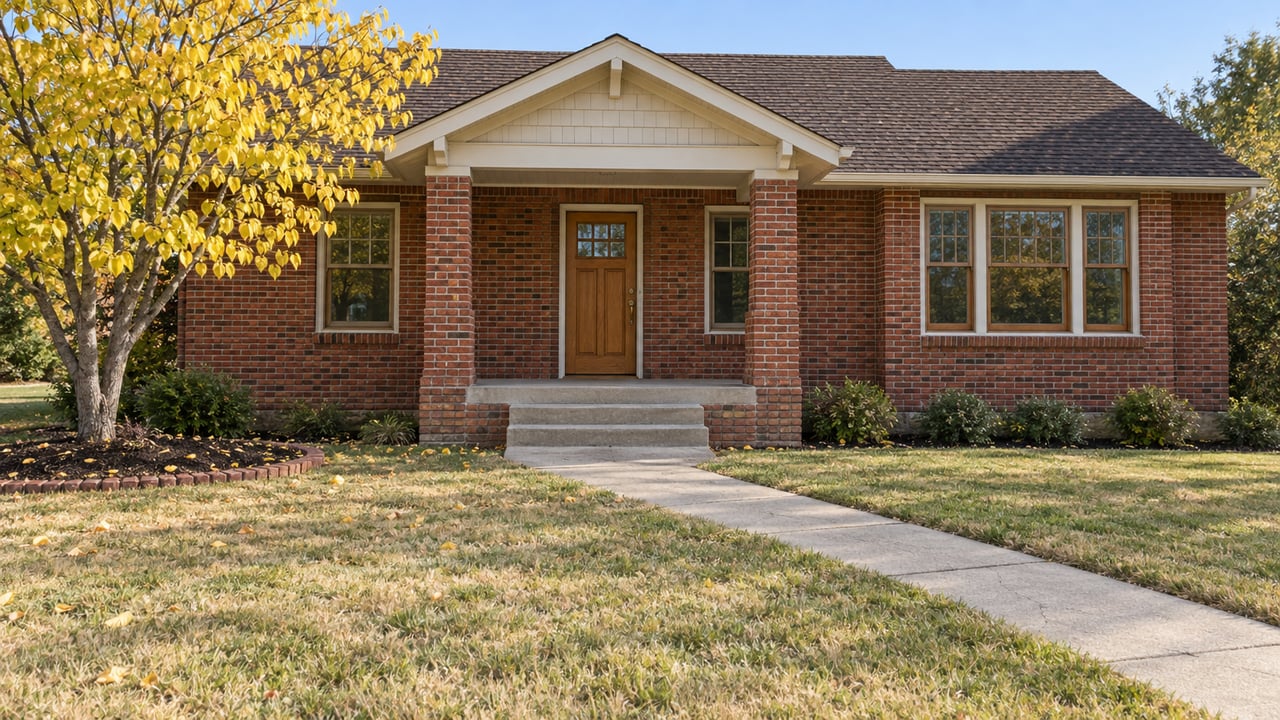
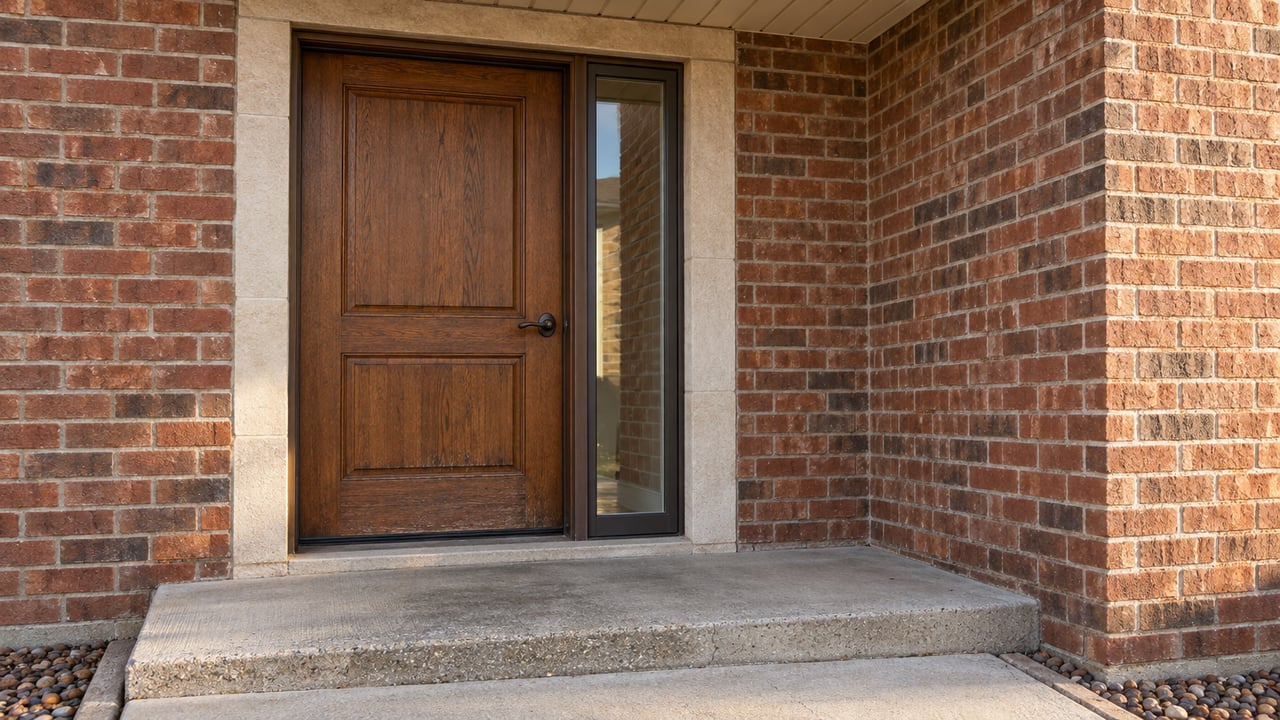
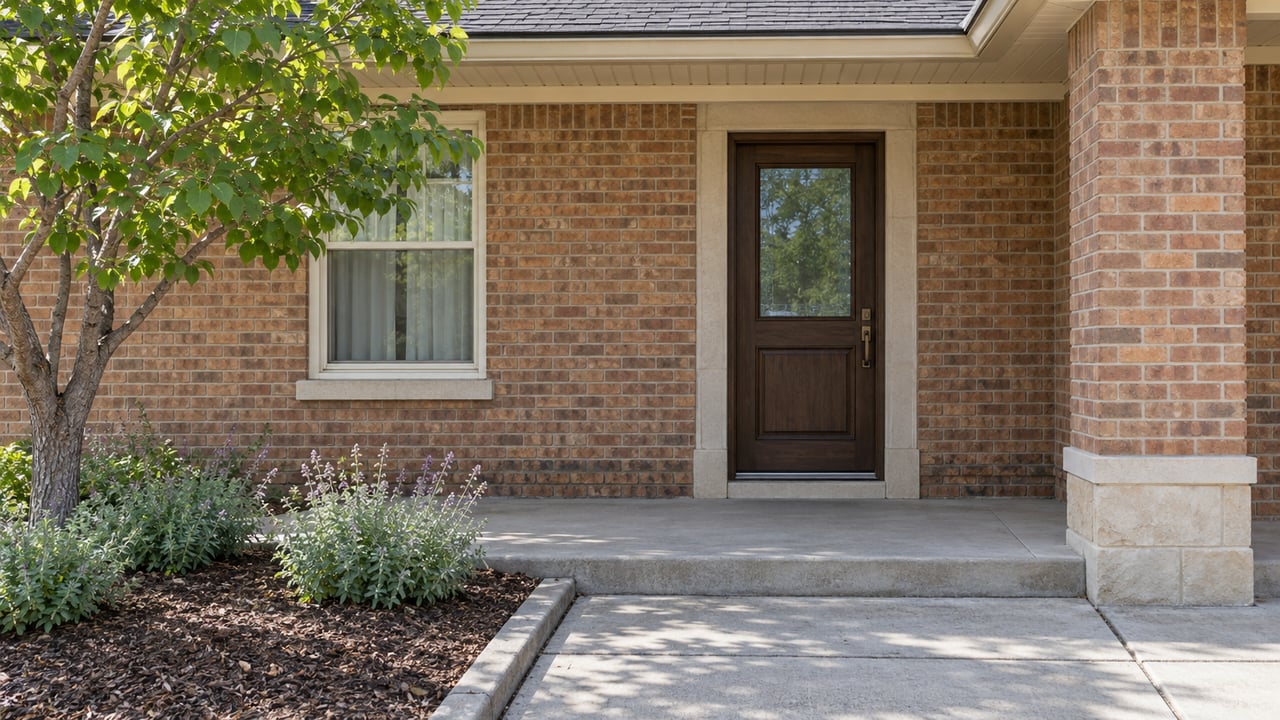
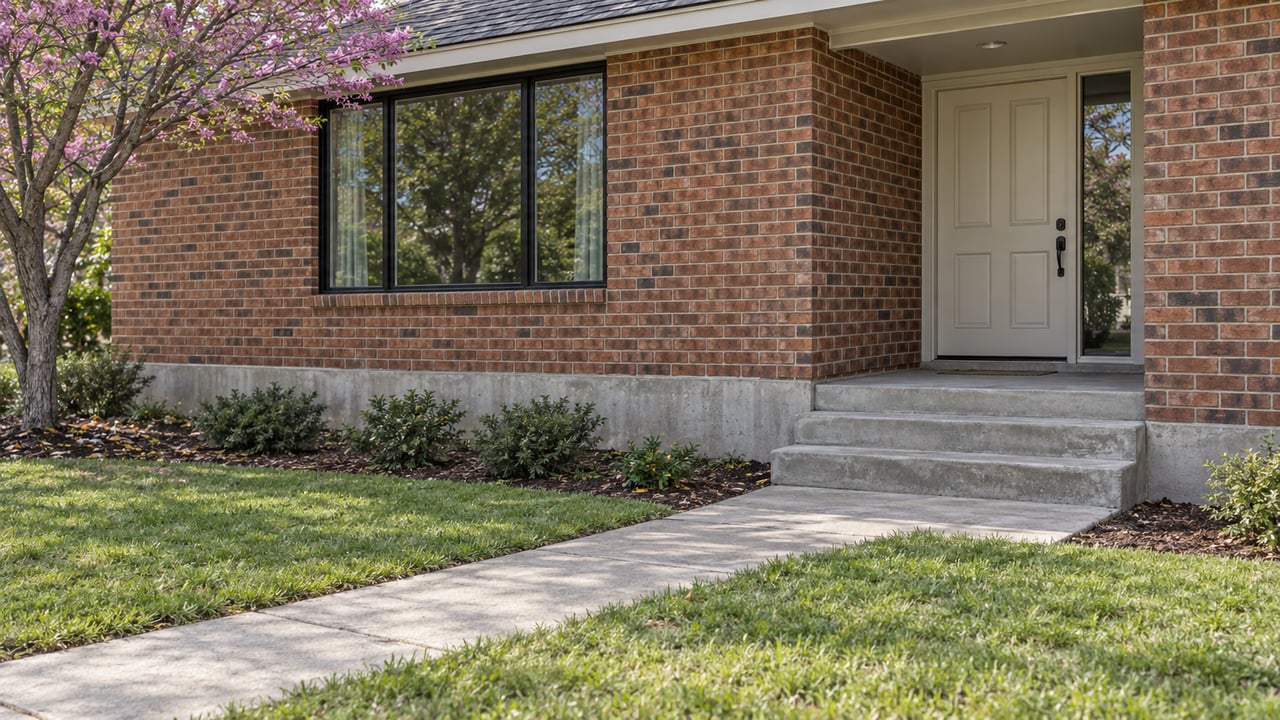
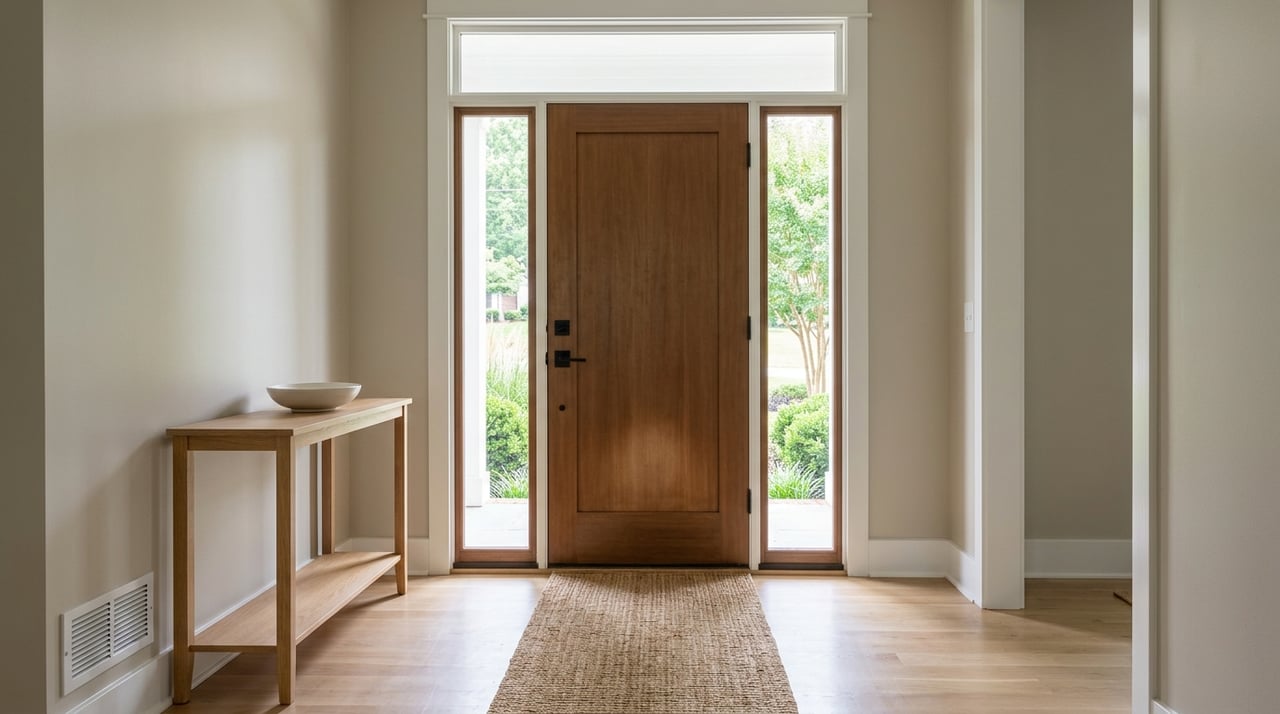
Buyers begin forming opinions before they ever walk inside. That makes your exterior and entry sequence part of the sale strategy. In photos and in person, your front approach should feel neat, simple, and well maintained.
For many Mustang homes, that means focusing on practical updates like:
- Sweeping the porch, walkway, and driveway
- Trimming shrubs and edging beds
- Refreshing mulch if needed
- Removing dead plants or extra yard items
- Cleaning the front door area
- Keeping the porch welcoming but not crowded
You do not need unusual landscaping or dramatic changes. In fact, simple and tidy often works better. Buyers want to feel that the home has been cared for from the moment they arrive.
Why photos matter so much
Many sellers assume that if a home shows well in person, photos are secondary. In reality, photos are often what earn the showing in the first place. NAR survey data found that photos were the most important listing asset for both buyers' agents and sellers' agents.
That means your prep should be built around the camera as much as the showing. A room can feel fine in person but still look crowded, dark, or distracting in photos. Strong presentation helps your listing tell a better story online, where buyers usually decide whether to take the next step.
Prep before photography
The best time to book photos is after the home is decluttered, cleaned, repaired, and staged. If you photograph too early, you risk launching with visuals that do not match your home’s full potential. First impressions are hard to reset once a listing is live.
NAR also found that 31% of buyers' agents said buyers were more willing to walk through a home they saw online when staging was used. Better photos can lead to more interest, and more interest can support stronger momentum when your listing launches.
Is staging worth it?
For many occupied sellers, the answer is yes, especially when staging is strategic instead of excessive. NAR reported that 29% of agents said staging led to a 1% to 10% increase in the dollar value offered. Another 49% said staging reduced time on market.
That does not mean every home needs a full furniture install. Often, occupied staging is about editing, rearranging, and refining what you already have so the home feels more spacious and cohesive. That is one reason a priority-based plan can be so effective.
NAR also reported a median cost of $1,500 for a staging service, compared with $500 when the seller’s agent handled staging personally. For many sellers, that is useful context when weighing the cost of prep against the risk of sitting longer on the market.
A practical prep plan for occupied sellers
If you are living in your home while preparing to sell, keep your plan simple and focused. You do not need perfection all at once. You need steady progress in the areas buyers notice most.
A strong prep plan usually looks like this:
- Walk through the home and list priority issues.
- Declutter and pack away personal items.
- Deep clean the house from top to bottom.
- Complete minor repairs and touch-ups.
- Stage the living room, primary bedroom, and kitchen first.
- Tidy the exterior and front entry.
- Schedule professional photos after the home is fully ready.
This kind of sequence helps you avoid wasted effort. It also creates a smoother path from preparation to marketing launch.
Why strategy beats guesswork
The strongest home sale prep is not about chasing trends or spending the most money. It is about making thoughtful decisions that improve buyer perception, strengthen photos, and help your home feel move-in ready from day one. In Mustang’s current market, that kind of discipline can make a real difference.
If you want a prep plan tailored to your home, pricing, and timeline, working with a team that understands both buyer psychology and presentation can help you focus on the right updates. When staging, repairs, and launch strategy work together, your home enters the market with a stronger story.
If you are thinking about selling in Mustang and want a clear, strategic plan, connect with Gina Underwood for guidance on pricing, home prep, occupied staging, and a polished market launch.
FAQs
What repairs should I make before listing a home in Mustang?
- Focus on visible minor issues that affect first impressions, such as scuffed walls, worn caulk, loose hardware, sticky doors, tired light fixtures, and small maintenance items inside and outside the home.
Which rooms should I stage first before selling a Mustang home?
- Start with the living room, primary bedroom, and kitchen, since buyer attention tends to concentrate most on those spaces.
How much clutter is too much when selling an occupied home in Mustang?
- If countertops, shelves, corners, and furniture layouts make rooms feel crowded or distract from the size and function of the space, it is too much clutter for listing photos and showings.
Is professional staging worth it for an occupied Mustang home?
- It can be, especially when the goal is to edit, simplify, and improve flow rather than fully refurnish the home, since staging is often associated with stronger offers and less time on market.
Why do professional photos matter when selling a home in Mustang?
- Photos are often the first reason a buyer decides to schedule a showing, so clean, well-staged, professionally photographed spaces can help your home earn more attention online.